20 Essential First Aid Kit Items for Home, Car, Travel
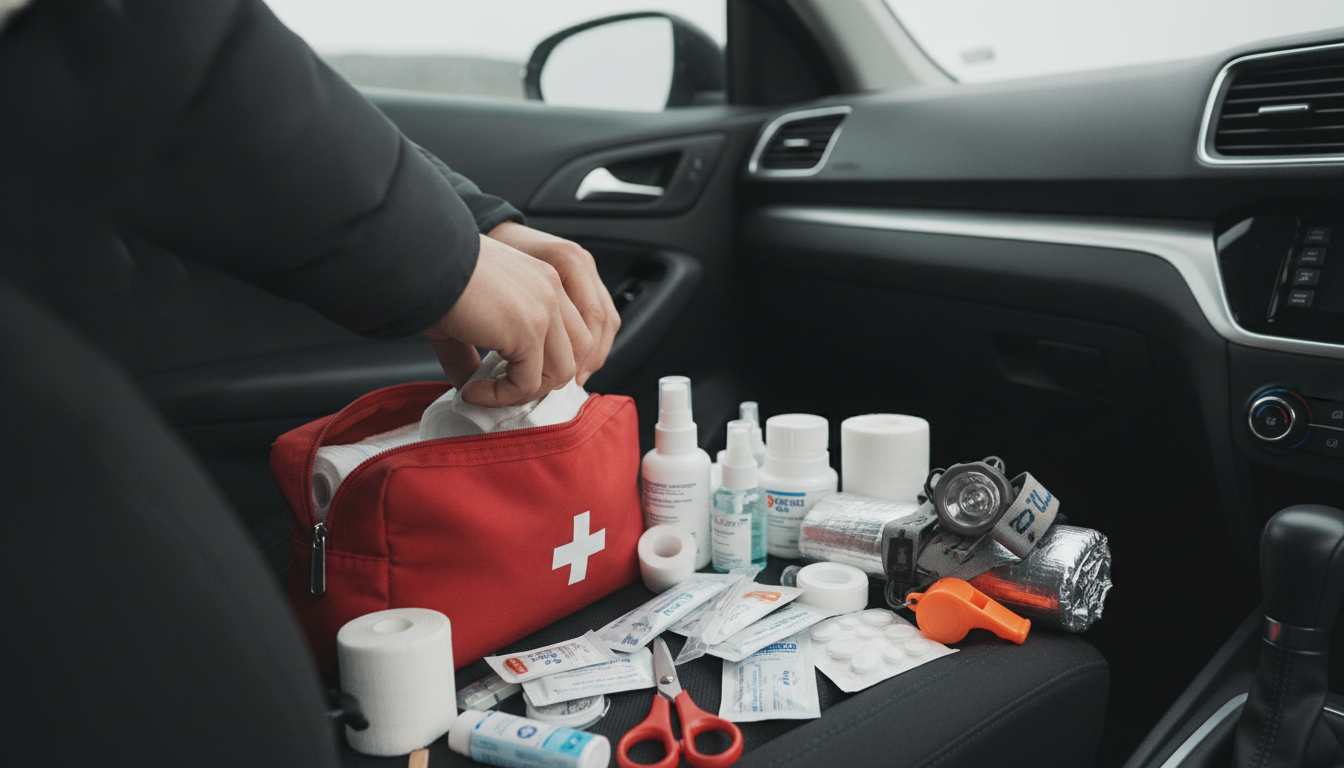
What are the 20 items in a first aid kit?
A well-stocked first aid kit covers the basics for cuts, scrapes, minor burns, sprains, and everyday aches—without taking up much space. Below are 20 practical items that make a solid starting point for a home, car, or travel kit.
Answer: 20 essential first aid kit items
1) Adhesive bandages (assorted sizes) for small cuts and blisters.
2) Sterile gauze pads to cover larger wounds.
3) Medical tape to secure gauze and dressings.
4) Antiseptic wipes for quick skin cleaning.
5) Antibiotic ointment to help protect minor cuts from infection.
6) Hydrocortisone cream for itching and mild irritation.
7) Burn gel or burn dressing for minor burns and scalds.
8) Elastic bandage wrap for sprains and compression.
9) Instant cold pack to reduce swelling and pain.
10) Tweezers for splinters, ticks, or debris removal.
11) Small scissors for cutting tape, gauze, or clothing if needed.
12) Nitrile gloves to reduce contamination and mess.
13) CPR face shield (or mask) for safer rescue breathing.
14) Digital thermometer for checking fever.
15) Oral pain reliever (acetaminophen or ibuprofen) for aches and fever (use as directed).
16) Antihistamine tablets for mild allergic reactions (use as directed).
17) Saline or sterile eyewash to rinse eyes and wounds.
18) Triangular bandage for a sling or to secure splints.
19) Emergency blanket to help retain body heat.
20) First aid instruction card for fast reference under stress.
For a deeper breakdown—plus smart add-ons and packing tips—see the full guide here: https://catchygemsgallery.shop/what-are-the-items-in-a-first-aid-kit/.
For 20 Essential First Aid Kit Items for Home, Car, Travel, the best answer depends on fit, material, care instructions, and how the product will be used day to day.
FAQ
What should you replace regularly in a first aid kit?
Replace anything expired (medications, ointments, creams), any opened sterile items (gauze, wipes), and supplies that are damaged, wet, or running low. It also helps to refresh batteries in digital tools and restock after every use.












Leave a comment